Stewards of the Western Cemetery provides continuing care for Portland’s historic Western Cemetery to overcome years of neglect and deterioration, and pays honor and respect to prior generations, war veterans, immigrants, and notable citizens through the restoration of their gravestones and burial sites.
We will create welcoming, community space for: quiet conversation with friends; restful picnics on the open, grassy spaces; enjoying nature among the pines and maples; walks with harbor views; outdoor classes in fresh air; studies and research by history enthusiasts; visitations by descendants and those with historic cultural interests.
Boston Tea Party Event
The Stewards of the Western Cemetery are pleased to announce a special event at Western Cemetery on October 8 at 3 PM.
One of the significant events in the lead up to the American Revolution was the Boston Tea Party in 1773. The Boston Tea Party Museum has been identifying participants in the Tea Party and placing commemorative grave markers at their graves. They have placed over 130 markers since 2018, and recently identified a tea party participant buried at Western Cemetery. He is the only Tea Party participant so far identified who is buried in Portland.
Richard Hunnewell, Jr. was just 16 years old when he went with his father and brother to destroy tea in Boston Harbor in the event which led to the American Revolution. Mr. Hunnewell later served in the Revolution and moved to Maine by 1788, settling in Portland by 1800, serving as Sheriff of Cumberland County. Later in life, he also served in the War of 1812.
Representatives of various historic associations will be attending this unique event on October 8 ay 3 PM. The public is invited.
Annual Campaign
The Stewards require $15,000 annually to pay for insurance, supplies, equipment and other costs to provide for the maintenance and restoration of the Western Cemetery. Please help by donating to our Annual Campaign.
Update on the 2025 Capital Campaign
The campaign goal of $250,000 was met in 2025, and all of the capital improvements have been completed, with the exception of the shed which is expected to be installed this year. The new fence, restored historic fence, and the Western Prom path have defined the cemetery space and enhanced its appearance. In addition, while not part of the capital campaign, the trustees also expect to complete a path on the Vaughan Street side of the cemetery this year.
Western Cemetery is now listed on the National Register of Historic Places
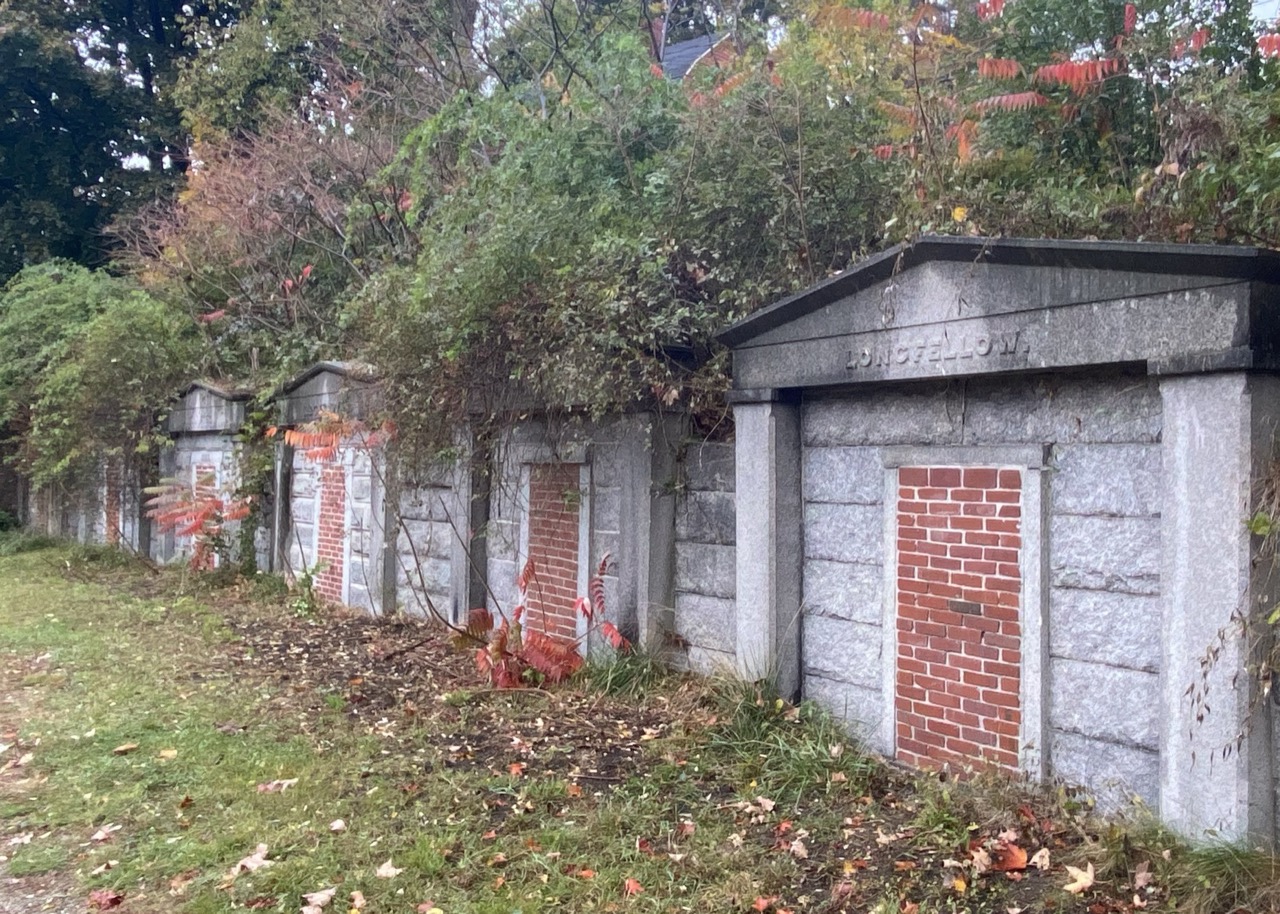
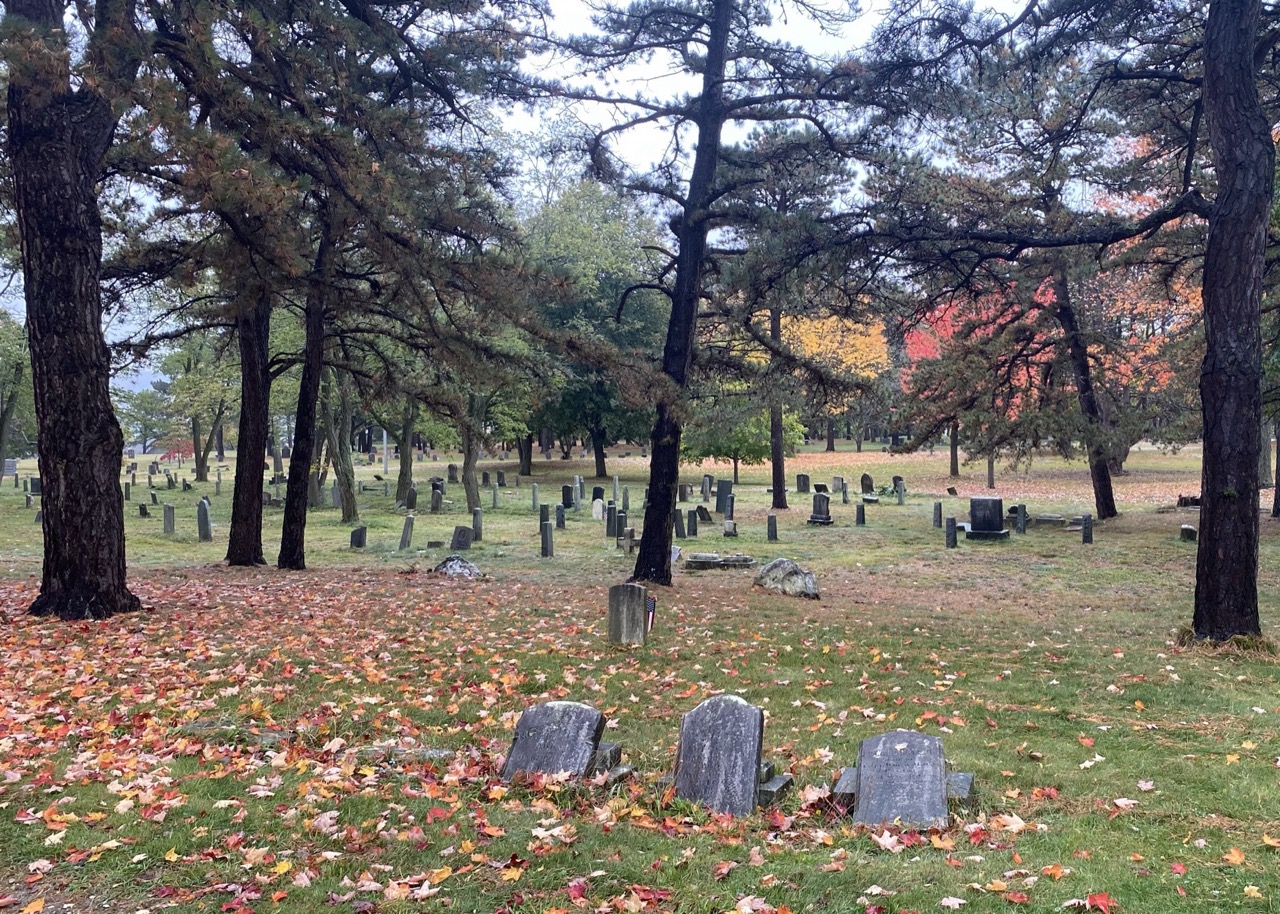
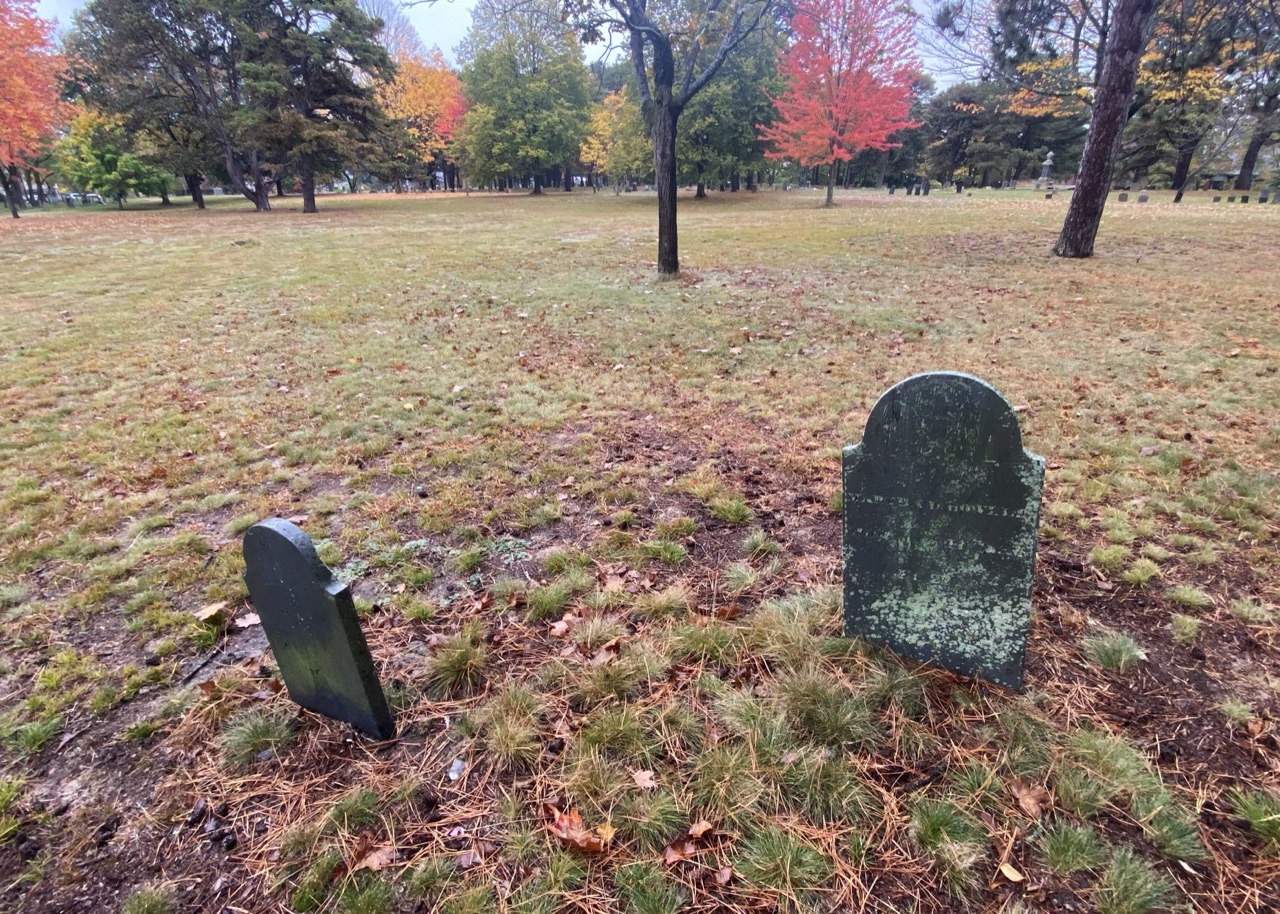
Western Cemetery is now listed on the National Register of Historic Places, joining both Eastern and Evergreen Cemeteries. Western Cemetery is a 12 acre outdoor museum of cultural symbolism. This urban green space is sought for quiet reflection; enter the lychgate on Vaughan Street and discover slate gravestones, the first example of sculpture in New England. Massive granite blocks are buried in hillside family tombs. There are monuments to famous people, granite obelisks to honor the departed, flag-marked graves of domestic and foreign war veterans, sea captains from the City’s rich history of maritime commerce and clergy of the Protestant elite. The Catholic Burial Ground, with many unmarked graves, is an explicit reminder of our immigrant Irish heritage. The vast majority of headstones are fashionable mid 19th c. white marble, all in need of conservation.
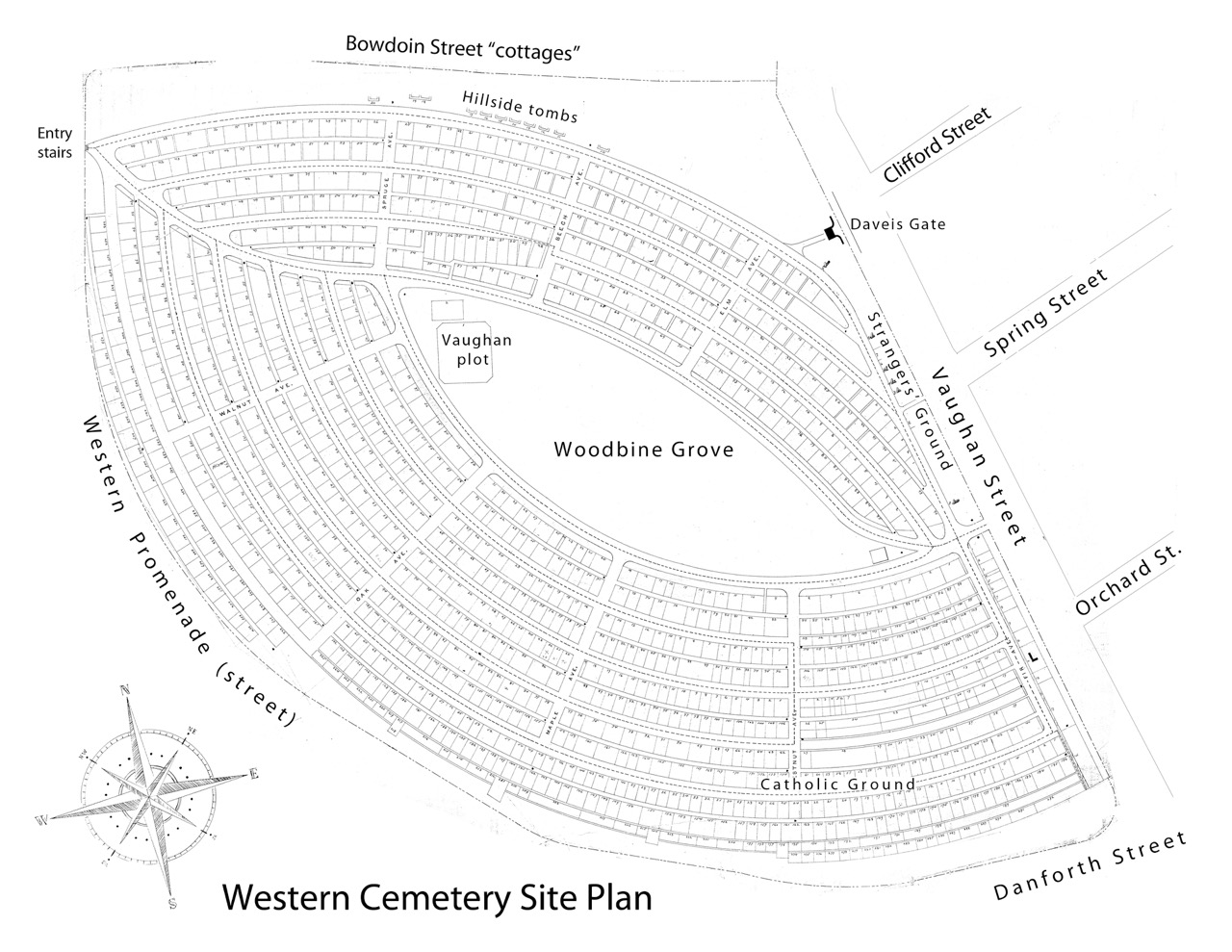
Unlike Eastern (early burial ground) and Evergreen (Rural Cemetery Style), Western reflects an evolving approach to landscape design in the 19th c. Established as a private burial ground (1811) and later as a public cemetery (1830), Western has concentric oval circulation avenues designed by Captain James Hall, a civil engineer and first superintendent of the Cumberland and Oxford Canal (1830). Hall’s c. 1836 elliptical pattern is the dominant feature of this landscape and the period of significance is 1811 (first burial) -1914 (Daveis Gate).
The Vaughan Family burial ground was created at the death of William’s second wife Elizabeth in 1811. Vaughan’s Federal style house (1799) is the oldest house in the West End neighborhood on Danforth Street. In the early 19th c. Eastern was at capacity, so Portland purchased Vaughan’s undeveloped property on Bramhall Hill to create a large public cemetery and engaged Hall to draft an engineering plan to formalize the arrangement of future burials. Unfortunately, we don’t have Hall’s original plan. However, following the Great Fire (1866), cartographers of the USCS charted the City and Harbor of Portland map during waterfront rebuilding (now known as the Old Port). This 1870 plan illustrates Hall’s original elliptical shape of avenues and paths. The Coastal Survey map was 20 years before Portland city engineer, William Goodwin’s plan (1889) detailed individual burial plot locations. Goodwin’s plan and William Jordan’s burial records are used today to find individual grave markers. Jordan’s publication expanded on the work of Virginia Greene (1938). Western presents unique preservation challenges. Grave markers are a finite deteriorating resource needing protection from weathering, vegetation, vandalism, and deferred maintenance.
Visit & Tour
Family Graves
Get Involved
History & Mystery